14 August 2026
Strengthening integration in practice
See this DIM newsletter here in PDF form
The DIM project was initiated to strengthen Finland’s competitiveness by advancing deeper integration in manufacturing in a comprehensive way. Geopolitics, reshaping supply chains, digital capabilities enhanced by AI, and sustainability requirements amid constantly changing legislation are forcing manufacturing professionals to pay closer attention to integrating performance and transformational objectives. This requires increased collaboration with like-minded partners to learn from one another and shorten cycle times. Finding better ways to share experiences and learnings is one of the key development topics of the DIM project. We now see that this has also become an international trend, illustrated by initiatives such as Nordic Compass and EU Tech Frontrunners.
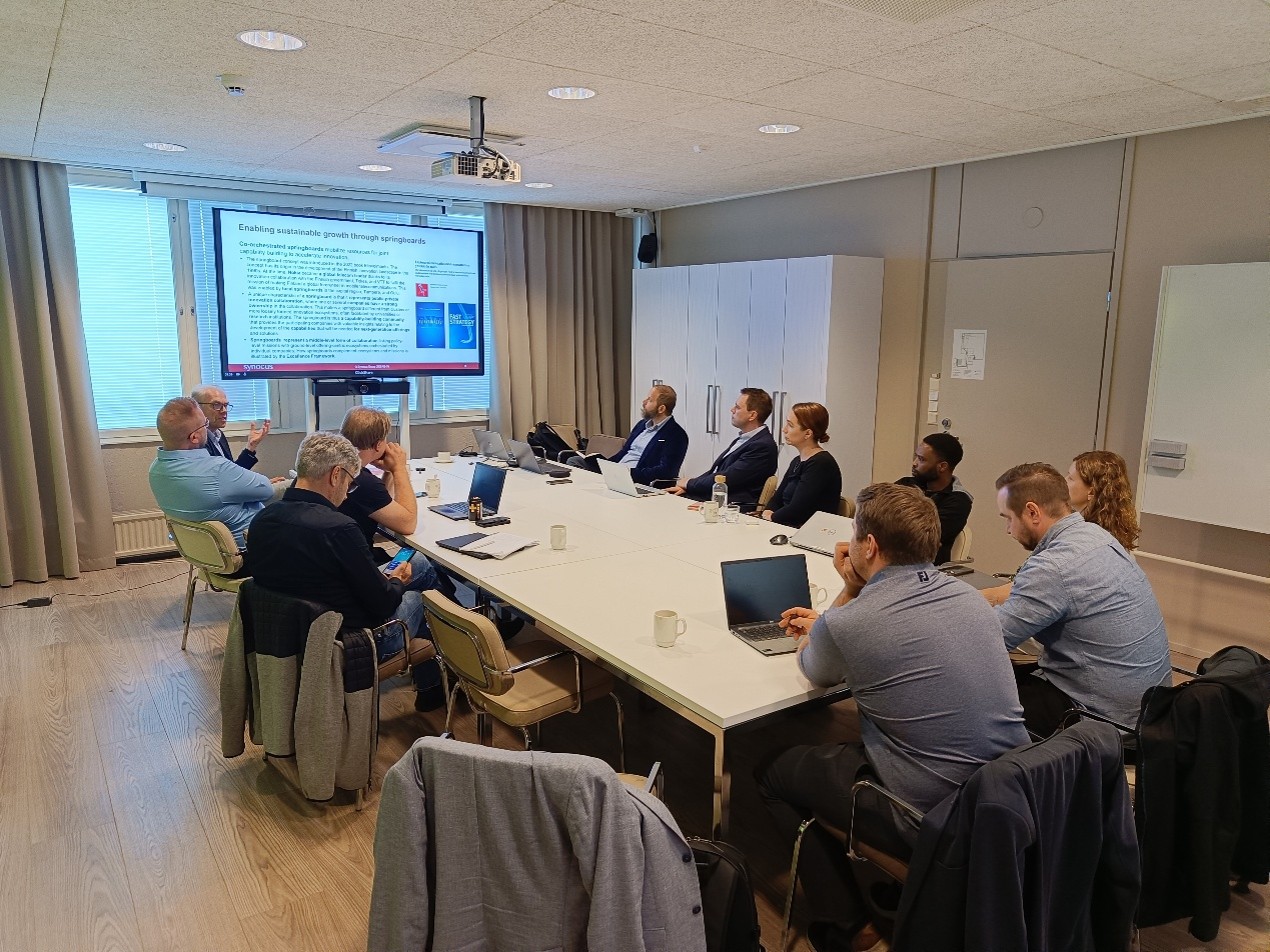
The DIM Steering Committee and Project Management Team came together at Tampere University in June to reflect on the project’s progress and align priorities for the remaining part of the programme. The meeting concluded that steady progress has been made across all DIM partners. Each organization is advancing its own focus areas while contributing to the broader integration agenda. The core idea of DIM has remained consistent: to build a community-driven innovation ecosystem, accelerate the twin transition, and strengthen competitiveness through collaboration and integration.
As integration across organizations cannot be forced, we have had to find our own ways to strengthen integration in the DIM context. Two important achievements are now guiding our way forward: the use of Dot Connector as an integration accelerator and theme-based workshops that enable individual companies to highlight their own key topics. These experiences provide a foundation for focusing more strongly on the development of use cases and for engaging more decisively in joint learning opportunities and cross-company experimentation. The emphasis on learning by doing and action research has proven essential. From an academic perspective, this approach has also worked well, as researchers from Tampere University has presented the results at conferences.
A central theme in co-orchestrating the DIM collaboration is leveraging the complementary capabilities of the DIM partners. Moving forward, we will also look for possibilities to engage complementary expertise from outside our own group. One such opportunity will be the visit by a delegation of Japanese researchers to Finland in September. Another is the forthcoming visit to the UK later in the autumn. These activities offer DIM members an opportunity to proactively present releva
nt topics where external expertise can help accelerate company-specific development. Synocus will support these efforts by introducing collaboration opportunities with organizations outside the DIM network as well. This will help us become more attractive to external expertise and mobilize relevant competences when navigating the current highly turbulent business landscape. It will also enable us to link companies, universities, and innovation hubs more effectively in future collaboration projects, both domestically and internationally.
DIM Achievements
One of the key developments so far in the DIM project has been the emergence of a stronger shared agenda. While each partner is advancing from its own starting point, a common theme is the gradual strengthening of data-driven collaboration and ecosystem integration.
Wärtsilä has been advancing its co-working processes, emphasizing how collaboration can be structured and supported digitally. The role of artificial intelligence is becoming increasingly central, both in operational development and communication. In parallel, Wärtsilä continues to work on traceability and mobile applications, illustrating how the integration agenda is being translated into practical solutions that can scale over time.
Konecranes has progressed in leveraging data generated by its equipment, particularly through the development of user interfaces that consolidate crane and production data into unified views, making data more accessible and actionable for the users. The project emphasizes clear visualization and integration of multiple data sources, supporting more informed decision-making and improved understanding of material flows. Collaboration with partners has also evolved with a gradual expansion in the number of connected assets. This reflects a shift from conceptual collaboration toward more concrete, system-level integration.
Promeco has focused particularly on sustainability reporting and its connection to operational processes. Development work has highlighted building a digital platform that can support compliance requirements while also enabling broader value creation through data. Artificial intelligence is increasingly enhancing this platform, not only for reporting purposes but also for improving decision-making and integrating sustainability more tightly into everyday operations.
Mirka’s work has remained focused on its predictive maintenance case, which continues to serve as a concrete anchor for development. This case provides a practical testing ground for applying data-driven approaches and demonstrates how value can be created through better anticipation of maintenance needs. The continuation of this work verifies its importance not only for Mirka itself, but also as an example for the wider DIM collaboration. In addition, Mirka has organized a workshop series to share knowledge and to accelerate the collaboration within impact-driven and data-based process development.
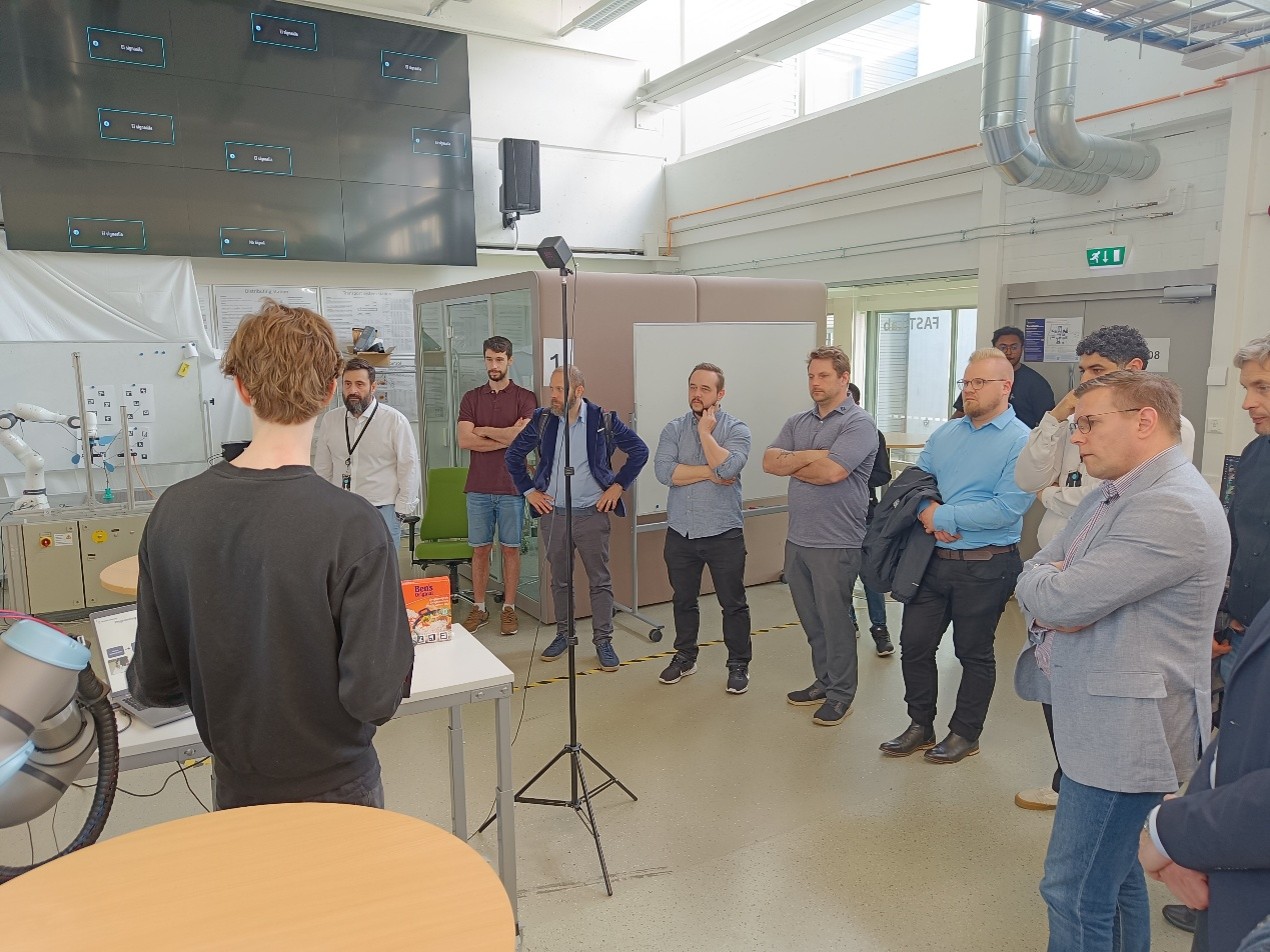
At Tampere University, research activities have centred on the Dot Connector concept and the broader question of how ecosystems can be structured and scaled. The work has included interviews, conceptual development, and thesis work, while the FAST-Lab environment has contributed particularly to questions related to scaling and practical experimentation. The research team has grown, indicating both increasing interest and recognition of the long-term potential of this area.
The DIM focus will now be on making the work visible, tangible, and inspiring for both DIM members and external stakeholders. The real impact will come from turning ongoing activities into concrete showcases and compelling success stories. This will generate clear results that demonstrate the value of the DIM collaboration by making individual companies more competitive through the work carried out together with their DIM partners.
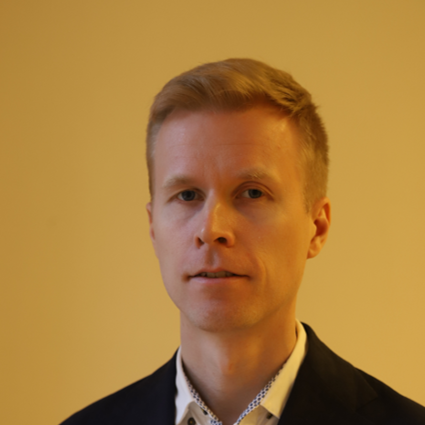
Niklas Koski
Senior Project Manager, Synocus
niklas.koski(a)synocus.com
+358 10 212 4730